uPVC flush casement windows in Reigate
The casement that sits level in its frame, made for houses whose first windows were timber or iron casements: 1930s semis, Edwardian tile-hung houses and the cottages of Woodhatch and Merstham.
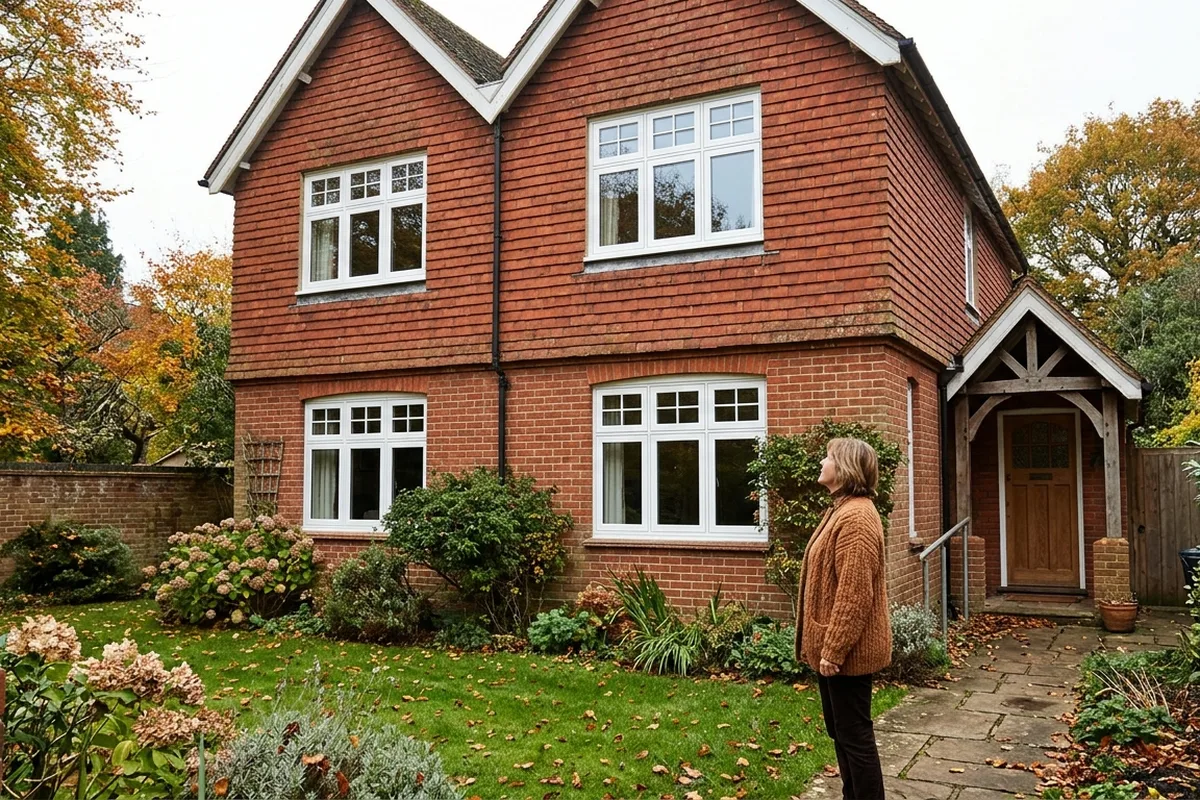
Flush or chamfered
A chamfered casement has its opening sash standing proud of the frame, with a bevelled edge. It is the standard uPVC window and the cheapest. A flush casement closes level, like the old casements in the Paxton Watson houses at Kingswood and the iron casements set into the mullioned frames of Reigate's tile-hung houses of the 1880s. From the pavement the difference is obvious.
For a 1930s semi on the old Woodhatch Farm land, chamfered white uPVC is honest value. For a tile-hung Edwardian front, flush is the one that looks right, and it costs more because the frame is deeper and better made.
| Window | Size (mm) | Supplied and fitted, inc VAT |
|---|---|---|
| uPVC flush casement, small | 600 x 900 | £765 to £1,085 |
| uPVC flush casement | 1000 x 1200 | £1,100 to £1,950 |
| Chamfered uPVC casement, white | 1000 x 1200 | £815 to £1,200 |
| Chamfered uPVC casement, heritage colour | 1000 x 1200 | £1,075 to £1,580 |
| Tilt-and-turn, uPVC | 1000 x 1300 | £1,090 to £1,660 |
| Timber flush casement, for comparison | 1000 x 1200 | £2,000 to £3,800 |
The rear-elevation case
Inside a Reigate conservation area, the Article 4 controls reach windows that face a road or open space. A small bathroom or back bedroom casement over a private garden usually falls outside them. That is where the small flush casement at £765 to £1,085 does a lot of work: it matches the look of the timber at the front without needing an application.
Timber, briefly
A timber flush casement of the same size costs £2,000 to £3,800, about double the uPVC flush. It also needs a fresh coat of paint every five to eight years, and more often on a south or west face up on the Downs. Outside the conservation areas there is little reason to choose it. On a street-facing casement under Article 4, it may be the only thing the council approves, and the timber page covers that case properly.
Tell the installer which side of the house each window is on. It changes what can be fitted and how fast.